
In This Article
A glass bead vs plastic pellet weighted blanket comparison comes down to what is sewn inside the pockets. Micro glass beads are tiny, dense, sand-like spheres that sit flat and stay quiet. Poly pellets are larger polypropylene or polyethylene pearls that cost less but run bulkier, rustle more easily, and come with more washing caveats.

Here’s the thing most listings won’t tell you: the fill is only half the story. Two blankets can both say “glass beads” on the box and feel completely different at 2 a.m. One hugs you like a calm, heavy sigh. The other leaves a bead dune at your feet. The difference is usually quilting, batting, and fabric, not the beads themselves.
Whether you want a glass bead weighted blanket quiet fill for light sleeping, a budget build, or a DIY project, this guide gives you honest analysis based on real specs and aggregated reviewer sentiment. I haven’t slept under these blankets, so you won’t find invented testing anecdotes here. You will find weights that follow the Sleep Foundation’s 10% guideline, real product details, and clear advice on which fill fits which sleeper. Prices below are ranges as of November 2026 and shift often.
Quick Comparison: Glass Bead vs Plastic Pellet Weighted Blanket at a Glance
| Feature | Micro glass beads | Poly pellets |
|---|---|---|
| Typical bead size | Roughly 0.5-1 mm, sand-like | Roughly 2-3 mm, rice-like |
| Density | High, so thinner blankets | Lower, so bulkier blankets |
| Fill noise | Usually a soft, sand-like hush | Can rustle, especially in big pockets |
| Heat retention | Generally reported cooler | Often reported warmer |
| Washing | Many models machine washable | Varies by brand; check temperature rating |
| Typical cost | Mid-range and up | Budget-friendly |
| Best For | Light sleepers, hot sleepers, thin drape | DIY projects, tight budgets, lap pads |
Look at the table and the pattern is clear. Glass wins on feel, noise, and thickness. Pellets win on price and DIY flexibility. If you sleep warm or wake at every rustle, the extra cost of glass usually pays for itself. If you’re sewing your own lap pad or covering a bed you rarely use, pellets make more sense. Keep in mind that the heat and noise claims come from a mix of manufacturer and reviewer sources. Stitching quality can swing the result more than the fill does.
💬 Just one click — help others make better buying decisions too!😊
Top 7 Weighted Blankets and Fills: Expert Analysis
I picked these seven to cover the full spectrum: budget, mid-range, premium, finished blankets, and DIY fill. Five are glass bead blankets, one is a finished poly pellet blanket, and one is a poly pellet fill for home sewing. Review sentiment below comes from retailer pages and published roundups, many of which carry affiliate links, so treat star ratings as directional.
1. YnM Weighted Blanket (15 lb) — most-reviewed budget glass bead pick
Start with track record. One 2026 roundup describes this blanket as the most-reviewed in its category, with a review count reported near 50,000.
It comes in twin/full at 48×72 inches with a microfiber shell and glass bead fill. Roundups describe a seven-layer build and tight 2×2-inch compartments. In practice, small cells mean the beads can’t wander to the foot of the bed, which is the classic complaint with cheaper blankets. Sixteen duvet loops let you add a cover and wash it instead of the blanket. Tom’s Guide notes nine weight options from 5 to 30 lb.
Who is it for? First-time buyers who want to test the idea without a premium budget. The twin/full size runs slightly short for a queen mattress, so couples should size up. Reviewers commonly praise a “hugged” feeling and quiet fill. Recurring complaints are that 15 lb feels heavy for some sleepers and that the blanket is undersized for larger beds. Care guidance conflicts across sources (cover washable, inner blanket sometimes hand-wash only), so read the tag.
Pros:
- ✅ Tight compartments keep beads evenly spread
- ✅ Huge review base and wide weight range
- ✅ Duvet loops make cover use easy
Cons:
- ❌ Twin/full size runs short on queen beds
- ❌ Care instructions vary by source
Price: roughly the $40-$60 range at the time of research; check current price. Value verdict: hard to beat as a starter.
2. Waowoo Weighted Blanket (20 lb Queen) — small pockets for an even bead spread
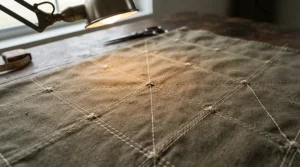
Waowoo’s selling point is geometry. Several 2026 roundups cite small quilted pockets and a seven-layer design in a 60×80-inch queen with 20 lb of glass bead fill.
Why does that matter? A 20 lb blanket concentrates a lot of mass. When pockets are big, the glass beads pool, and you feel lumps instead of pressure. Smaller pockets spread the load so the blanket drapes rather than clumps. The breathable microfiber cover and cold-water machine-wash guidance make it more practical than many hand-wash-only rivals.
Honest take: it suits sleepers around 200 lb who follow the 10% rule, or anyone who wants a heavier feel. Lighter adults should step down to 15 lb. Roundups praise the even weight and soft shell. Because these are affiliate roundups, I couldn’t verify individual review counts, so check the live listing before buying. Weight is the usual friction point: 20 lb is too much for many people, and the blanket can feel warm in summer.
Pros:
- ✅ Small pockets reduce bead migration
- ✅ Queen sizing covers more of the bed
- ✅ Cold-water machine wash guidance
Cons:
- ❌ 20 lb is heavy for lighter sleepers
- ❌ Reviews and ratings are hard to verify
Price: typically budget-to-mid tier; check current price. Value verdict: strong for heavier sleepers who want queen coverage.
3. Layla Weighted Blanket — whole blanket is machine washable
Most weighted blankets hide an awkward secret: the inner layer is hand-wash only. Layla’s pitch is that you can wash the whole thing.
The Sleep Foundation’s review describes lead-free micro glass beads and a smooth feel that shouldn’t read as lumpy. Layla comes in 15, 20, and 25 lb, with a 300-thread-count cotton side and a minky side. Large hexagon panels hold the fill. Real Homes reports a five-year warranty and cold, gentle washing with a low tumble dry. For heavier sizes, some brands advise a commercial laundromat, so check the care tag before loading your home machine.
For whom? Hot-and-cold sleepers who like flipping the blanket for the season, and anyone who hates juggling a cover. A reviewer at The Home I Have Made reported no bead shifting, while Gear Patrol flagged breathability as a weak spot. Hexagons are larger than the 2×2 grids on budget rivals, so inspect for bead pooling during the return window.
Pros:
- ✅ Entire blanket machine washable on cold
- ✅ Reversible cotton and minky sides
- ✅ Five-year warranty reported by reviewers
Cons:
- ❌ Not especially breathable per one review
- ❌ Larger panels than budget grid designs
Price: roughly the $80-$150 range depending on weight and promotions; check current price. Value verdict: fair for the convenience.
4. Gravity Blanket — premium gridded glass bead original
Gravity helped invent the category, and it still sets the template. The stitched grid, fine glass beads, and washable plush duvet cover are the formula most rivals copy.
The structure is worth understanding. The weighted liner sits inside a removable cover. Per Gear Patrol and Reviewed, the cover goes in the machine while the liner is hand-wash and air-dry only. That trade-off protects the liner but means you’ll do some manual washing if the liner itself gets dirty. Medical News Today lists twin options at 15, 20, and 25 lb, plus a 35 lb queen/king size.
Reviewers consistently describe it as soft, well-made, and reassuring, with a cooling version for hot sleepers. The recurring downsides are price and the 35 lb queen/king size, which is simply too heavy for many people. Based on the spec comparison, it’s the pick when you want proven construction and a cover system rather than the lowest cost.
Pros:
- ✅ Proven grid construction with fine glass beads
- ✅ Removable washable cover included
- ✅ Cooling version available for hot sleepers
Cons:
- ❌ Inner liner is hand-wash and air-dry only
- ❌ Premium price and a very heavy 35 lb size
Price: roughly the $150-$200 range per 2026 roundups; check current price. Value verdict: you pay for brand and cover system.
5. Tranquility Weighted Blanket — budget glass beads with a washable cover
Tranquility is the “I’m not sure about this yet” option, built around glass beads and a removable cover.
An AOL roundup highlights grid-like stitching that keeps the glass beads in place and a machine-washable microfleece cover with secure ties. The Sleep Judge adds that the glass bead fill is noise-free and plastic-free. Tying the cover down matters because a weighted insert that slides around inside a cover is an annoyance. Hook or tie systems fix that.
Honest framing: the cover-plus-insert design is great for hygiene, and cheap enough to replace if something goes wrong. The tradeoff is that low prices usually mean thinner batting and fewer layers, so check how the pockets feel when you squeeze them. The kids version (6 lb) holds 4.6 stars across 76 ratings at Walmart, which is a small sample but a good sign for the line. Adult-size review data is less clear, so read current reviews.
Pros:
- ✅ Grid channels help keep beads in place
- ✅ Removable cover washes easily
- ✅ Noise-free glass bead fill reported
Cons:
- ❌ Fewer layers than premium rivals
- ❌ Adult review data is thinner
Price: roughly the $25-$40 range for smaller sizes in retailer listings; check current price. Value verdict: excellent for testing the weighted blanket idea.
6. Enabling Devices Weighted Blanket — poly pellet lap and sensory size
Here’s a real poly pellet weighted blanket, built for a very different job than a bed.
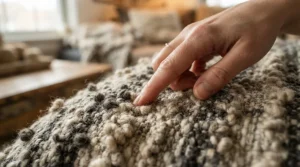
Enabling Devices sells a large size (56×42 inches, 7 lb) and a medium size (28×20 inches, 5 lb), filled with non-toxic polymer pellets and box-stitched to keep weight even. Care is conservative: hand wash only, air dry, no dryer. That makes it a poor fit for anyone wanting a poly pellet weighted blanket washable in the machine, but typical for therapy-focused products where gentle handling is expected.
The right use case is lap, shoulder, or sensory support, not an all-night adult bed layer. I found no verified ratings, so I won’t pretend otherwise. Use it where pellet bulk doesn’t matter and where hand-washing is acceptable. The maker’s site is the primary seller, so check whether the model is currently available through Amazon.
Pros:
- ✅ Box stitching holds pellets in even rows
- ✅ Small sizes suit laps and sensory use
- ✅ Non-toxic polymer pellets per the seller
Cons:
- ❌ Hand wash and air dry only
- ❌ Too small for full-bed adult use
Price: modest; check current price. Value verdict: good for targeted sensory use, not a bed solution.
7. Fairfield Poly-Fil Poly-Pellets — DIY pellet fill for home sewers
If you sew, this is the cheapest route to weight, and it’s the fill most people mean when they say “poly pellets.”
The pellets are roughly 3 mm, round, and smooth-edged. Missouri Star Quilt Co. recommends filling a child’s blanket to 10% of body weight plus a pound. Its five verified reviews average 4.8, with one reviewer calling them washable. That’s a tiny sample, so treat it as a hint, not proof. Retail listings show small bags around $15-$20 and 25 lb boxes near $100.
Bulk is the honest drawback. Pellets are lighter and larger than micro glass beads, so you need more volume per pound, which pushes toward thicker blankets. Fairfield also sells glass micro beads that it describes as quiet, smooth, and washable. Quilt tighter, test your fabric, and double-stitch every seam.
Pros:
- ✅ Cheapest way to build custom weight
- ✅ Smooth, round pellets sew predictably
- ✅ Works for pads, lap blankets, and toys
Cons:
- ❌ Requires sewing skill and careful seams
- ❌ Bulkier than a same-weight glass blanket
Price: roughly $15-$20 for small bags, near $100 for bulk boxes; check current price. Value verdict: unbeatable for DIY, risky for beginners.
Top 7 Comparison: Specs, Price Ranges, and Ratings
| Product | Fill | Weight / Size | Price range | Rating (reported) | Best For |
|---|---|---|---|---|---|
| YnM Weighted Blanket (15 lb) | Glass beads | 15 lb, 48×72 in | $40-$60 | Roughly 4.5-4.6★ | First-time buyers |
| Waowoo Weighted Blanket (20 lb Queen) | Glass beads | 20 lb, 60×80 in | Budget-to-mid | Not verified | Heavier sleepers |
| Layla Weighted Blanket | Micro glass beads | 15/20/25 lb, 48×72 in | $80-$150 | Not verified | Machine-wash fans |
| Gravity Blanket | Glass beads | 15-35 lb | $150-$200 | Not verified | Brand-loyal premium buyers |
| Tranquility Weighted Blanket | Glass beads | Various | $25-$40 | 4.6★ (kids model) | Budget testers |
| Enabling Devices Weighted Blanket | Polymer pellets | 5-7 lb, small sizes | Modest | Not verified | Lap and sensory use |
| Fairfield Poly-Fil Poly-Pellets | Poly pellets | Sold by weight | $15-$20 small bag | 4.8★ (5 reviews) | DIY sewers |
Look across the rows and the budget logic is clear. YnM Weighted Blanket (15 lb) and Tranquility Weighted Blanket deliver glass bead quiet at entry prices, while Layla Weighted Blanket and Gravity Blanket charge extra for washability and brand polish. Enabling Devices Weighted Blanket and Fairfield Poly-Fil Poly-Pellets are tool-for-the-job choices, not bedroom defaults. If you want one rule: buy glass for the bed, pellets for projects.
✨ Don’t Miss These Exclusive Deals!
🔍 Take your sleep setup to the next level with these carefully selected blankets and fills. Click any highlighted product name to check current pricing and availability. A well-chosen weight can help you build a calmer, quieter bedtime routine you’ll look forward to!
Practical Usage Guide: Setup, Washing, and Your First 30 Days
Buying the right blanket is step one. Using it well is step two, and this is where most guides go quiet.
Week one: ramp up. Start with the blanket across your torso and legs rather than tucked to your chin. The Sleep Foundation’s 10% rule is a starting point, and weights are commonly cited between 5% and 12% of body weight. If you feel trapped when you roll over, go lighter.
Set up the bed. Lay the blanket flat and let the pockets settle for a night or two. If it has duvet loops, as the YnM Weighted Blanket (15 lb) does, tie the cover on straight away so the cover takes the daily wear, not the inner layer.
Washing schedule. Read the care tag before the first wash. A Layla Weighted Blanket goes in cold and gentle. A Gravity Blanket liner is hand-wash only. Fill type matters too: some poly pellets aren’t rated for dryer heat, so air-dry those.
Weight rules for your washer. Many guides suggest taking blankets over about 15 lb to a laundromat, because a bulky, wet, heavy load can strain a home machine.
Mistakes in the first 30 days: using the blanket as a pillow wrap, cinching the cover too tight, and washing in hot water. Gentle, cold, and patient beats fast and hot every time.

Real-World Scenarios: Which Fill Fits Which Sleeper
Specs only help when they meet a real life. Here are three profiles.
The light sleeper in a quiet apartment. Budget: mid-range. Frequency: every night. You wake at tiny sounds, so fill noise is your enemy. Choose micro glass beads with tight stitching, such as the Waowoo Weighted Blanket (20 lb Queen) if you’re heavier, or a YnM Weighted Blanket (15 lb) if you’re lighter. A glass bead weighted blanket quiet fill reduces the “crunch” some people report when turning over.
The hot sleeper who shares a bed. Budget: flexible. Frequency: nightly, year-round. Heat retention is the issue. Sources describe pellets as running warmer, so glass is the safer bet. Consider a breathable cover and a bead-free option like the Bearaby Cotton Napper if beads feel too warm.
The DIY parent making a lap pad. Budget: tight. Frequency: occasional. You want a small, washable weight for a child at a desk. Fairfield Poly-Fil Poly-Pellets make sense because the size is small, the cost is low, and a few extra grams of bulk won’t matter. Follow the 10% plus a pound rule from the quilting retailer, and ask a pediatrician before using any weighted product with a child under five.
Problem-Solution Guide: Fixing the Five Most Common Weighted Blanket Headaches
1. Beads pooling at the bottom. Fix: choose smaller pockets and shake the blanket flat each morning. Tight grids, like the compartments reported on the YnM Weighted Blanket (15 lb), resist this better.
2. Rustling noise. Fix: look for thick batting between layers and avoid oversized pockets. A glass bead vs plastic pellet weighted blanket decision matters here, though sources disagree on which fill is louder, so judge the build rather than the label.
3. Feeling too hot. Fix: switch to a cooler shell, drop 2-3 lb, or move to a bead-free knit.
4. Cover slides around. Fix: use ties or loops and match the cover to the blanket size. The Tranquility Weighted Blanket uses ties for this reason.
5. Blanket feels too heavy. Fix: follow the guidance that if you’re between sizes you should consider going lighter. Weight is a feeling, not a competition.
How to Choose a Glass Bead vs Plastic Pellet Weighted Blanket
- Start with your weight. Take 10% of your body weight. A 150 lb adult lands near 15 lb. If you’re between sizes, many experts suggest going a pound or two heavier for older adults and children, while others advise going lighter if you feel confined.
- Pick the fill by priority. If quiet and cool matter, choose micro glass beads. If budget or DIY matters, consider poly pellets.
- Check the stitching. Smaller compartments mean fewer places for beads to hide.
- Read the care tag. Machine washable for the whole blanket is a real convenience. A removable cover is the next best thing.
- Confirm certifications. Look for OEKO-TEX labels or lead-free statements on glass beads.
- Mind the size. Match the blanket to your mattress, not your body, if you share a bed.
- Use the return window. Fill and fit are personal, and a 30-day trial removes risk.
The T3 filling guide offers a useful outside look at how the two fills compare in daily use.
Glass Bead Weighted Blanket Quiet Fill: Understanding Fill Noise
A glass bead weighted blanket quiet fill is one of the most common search goals, and for good reason. Nobody wants a bag of gravel on their bed.
Several sources, including Puffy and T3, describe glass beads as quieter and smoother than pellets because the beads are tiny and sit tightly in the pockets. Reviewers describe a sand-like hush rather than crunching. One retailer notes that a reviewer heard small bead sounds while making the bed but not while sleeping, which is the typical pattern.
There’s a catch. Sleep Advisor argues that glass beads can be a bit noisy, while plastic pellets are unlikely to make noise if quilted into small pockets. Another source says the opposite. The honest reading is that fill noise depends on pocket size and batting as much as on bead type. A well-built pellet blanket can beat a badly built glass one.
Practical advice: squeeze a pocket in the store, or test during your return window. Listen for rustle when you turn over, not just when you shake it. Thick poly-fill batting is the quiet layer in a seven-layer build.
Pocket Stitching: Why the Grid Matters More Than the Fill
If you remember one thing, make it this. Pocket stitching decides whether your blanket lasts.
Smaller squares mean less room for beads to travel. Budget designs like the YnM Weighted Blanket (15 lb) report 2×2-inch compartments, while the Layla Weighted Blanket uses larger hexagon panels. The Waowoo Weighted Blanket (20 lb Queen) is described with small quilted pockets in roundups. Each design trades the number of seams against softness and drape.
Seam quality matters as much as grid size. Roundups mention lock-bead stitching and high stitch counts as leak insurance, but I couldn’t verify manufacturer claims independently. Pull gently on seams during unboxing, and look for loose thread at corners.
Medical News Today notes that some negative reviews say the weight doesn’t spread evenly and the beads fall to the bottom during sleep. That’s almost always a stitching problem, not a fill problem. The takeaway for a glass bead vs plastic pellet weighted blanket decision: spend your attention on pocket stitching first, then on fill.
Poly Pellet Weighted Blanket Washable: What It Really Takes
Can you wash a poly pellet weighted blanket in the machine? The answer is “sometimes,” and the sources disagree.
T3 says pellets aren’t machine washable, so you can’t fully clean such a blanket. Hush says to check whether pellets can withstand your washing machine and dryer, because not all poly pellets have high-temperature ratings. A Fairfield retailer reviewer reported that the pellets were washable. And Enabling Devices Weighted Blanket specifies hand wash and air dry.
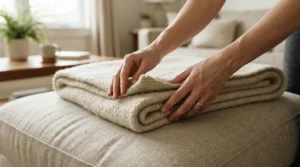
So how do you decide? Look for a stated heat rating on the pellets or a clear care tag. If neither is provided, assume gentle hand-washing. Choose cold water, a mild detergent, and air drying, and avoid hot dryers that could soften or distort the plastic.
For a Fairfield Poly-Fil Poly-Pellets DIY project, the safest strategy is to build a cover that zips off, so the pellet insert rarely needs washing. A poly pellet weighted blanket washable by design starts with a removable shell. Think of it as laundry insurance.
Micro Glass Beads: Safety, Lead-Free Claims, and Durability
Micro glass beads are generally described as safe for most adults, but “generally” isn’t a guarantee.
Non Toxic Lab describes quality glass beads as lead-free soda-lime glass that’s chemically inert and doesn’t off-gas. It cautions that lower-quality glass may contain trace heavy metals if sourcing isn’t verified, so look for a “lead-free” statement. Fairfield describes its own micro glass beads as quiet, hypoallergenic, non-toxic, and washable, and advises testing your fabric first because the beads are so small.
On the plastic side, Gear Patrol notes that polypropylene is considered safe by the FDA, though growing worries about microplastics lead some buyers to limit exposure. Another niche source says budget pellets may carry plasticizers depending on manufacturer, a claim worth treating cautiously and verifying with brand documentation.
Durability is where glass shines. It doesn’t compress, doesn’t soften, and survives repeated washing in well-made blankets. The risks are physical: leaky seams and high-speed agitation. Reviewers of cheap blankets sometimes report beads escaping, so inspect seams and keep blankets away from children who might chew them.
Glass Beads vs Bead-Free Alternatives
Some shoppers skip the whole glass bead vs plastic pellet weighted blanket debate. Bead-free knits, like the Bearaby Cotton Napper, use yarn weight instead.
| Feature | Glass bead blankets | Poly pellet blankets | Bead-free knit |
|---|---|---|---|
| Fill noise | Low | Low to moderate | None |
| Heat | Moderate | Warmer | Cooler (open weave) |
| Washing | Varies; many washable | Varies; check rating | Generally machine washable |
| Cost | Budget to premium | Budget | Premium |
| Best For | Quiet, thin drape | DIY and lap pads | Hot sleepers, bead-averse buyers |
Sleepopolis, per one 2026 roundup, elevated a filler-free knit to best overall for reducing noise and cold spots. Sleep Foundation and CNN Underscored also praised the Bearaby Cotton Napper, with the cost usually the sticking point.
The trade-off is plain. Knit blankets win on breathability and noise but cost more and drape differently. Glass bead blankets like Layla and Gravity Blanket feel more like a traditional comforter. If you’re torn, glass is the safer mainstream choice, and a knit is the lifestyle choice. Pellets are the budget choice for projects.
Common Mistakes When Buying a Weighted Blanket
Buying by star rating alone. Many roundups are affiliate-driven, and rating counts get quoted inconsistently. Cross-check the live listing.
Ignoring pocket size. A beautiful shell can hide lumpy stitching. Always check the grid.
Going too heavy. The 10% rule is a starting point. If you feel trapped, drop weight, as the Sleep Foundation’s range of 5-12% suggests.
Forgetting the cover. Without one, you’re hand-washing or spot-cleaning more often. Even a glass bead weighted blanket quiet fill won’t help if the blanket is dirty.
Assuming “machine washable” means “put it in any machine.” Heavy blankets can strain home washers. Follow the tag.
Skipping safety for kids. Casper advises consulting a doctor for children under five, and a pediatrician should weigh in on any weighted product for young children.
For more on what reviewers complain about, Medical News Today’s review roundup is a useful reality check on pooling beads and uneven weight.
Long-Term Cost and Maintenance: Price Range and Value Analysis
A cheap blanket that fails in a year costs more than a pricier one that lasts five.
| Product | Price range | Warranty / trial (reported) | Cleaning effort | Best For |
|---|---|---|---|---|
| Tranquility Weighted Blanket | $25-$40 | Not verified | Washable cover | Budget testers |
| YnM Weighted Blanket (15 lb) | $40-$60 | 30-day guarantee | Cover plus care-tag checks | First-time buyers |
| Layla Weighted Blanket | $80-$150 | Five-year warranty | Machine wash whole | Low-hassle upkeep |
| Gravity Blanket | $150-$200 | Not verified | Cover washable, liner by hand | Premium buyers |
| Fairfield Poly-Fil Poly-Pellets | $15-$20 per small bag | None | Depends on your build | DIY sewers |
Let’s do the arithmetic. If Layla Weighted Blanket lasts through its five-year warranty window, its per-year cost lands close to a budget blanket replaced twice. If you’d use a cover anyway, YnM Weighted Blanket (15 lb) plus a washable cover is a lean combination. Meanwhile, Gravity Blanket pays off if you value the cover system and brand support. For DIY, Fairfield Poly-Fil Poly-Pellets is cheapest up front but costs your time and sewing skill, and mistakes can be expensive. Maintenance is mostly about gentle washing, careful drying, and storing flat.
Frequently Asked Questions
❓ Is a glass bead weighted blanket worth the extra cost over pellets?
❓ Can I put a poly pellet weighted blanket in the dryer?
❓ Do micro glass beads leak out of the blanket?
❓ How heavy should my weighted blanket be?
❓ Why does my weighted blanket make fill noise when I move?
Conclusion
So, glass bead vs plastic pellet weighted blanket: who wins? For a bed, glass wins on feel, quiet, and cooler sleep, with stitching quality as the tiebreaker. For lap pads, kids’ sensory projects, and DIY, pellets win on price and flexibility.
If you want a safe starting point, go with a YnM Weighted Blanket (15 lb) or a Tranquility Weighted Blanket. If you want an easy-care upgrade, a Layla Weighted Blanket is the washable pick. If you want to splurge on a proven system, a Gravity Blanket earns its premium. Choose Enabling Devices Weighted Blanket or Fairfield Poly-Fil Poly-Pellets only when you know the job suits pellets. Use the 10% rule, test the stitching, and use the return window like a free trial.
Recommended for You
- Weighted Blanket Alternatives for People Who Feel Claustrophobic 2026
- Weighted Blanket for Autism in Teens: 7 Top Safe Picks 2026
- Weighted Blanket for Restless Leg Syndrome: 7 Best Picks 2026
Disclaimer: This article contains affiliate links. As an Amazon Associate, I earn from qualifying purchases. If you purchase products through these links, we may earn a small commission at no additional cost to you.
✨ Found this helpful? Share it with your friends! 💬🤗
